
What Are Clamping Tools and Why Every Factory Needs Them
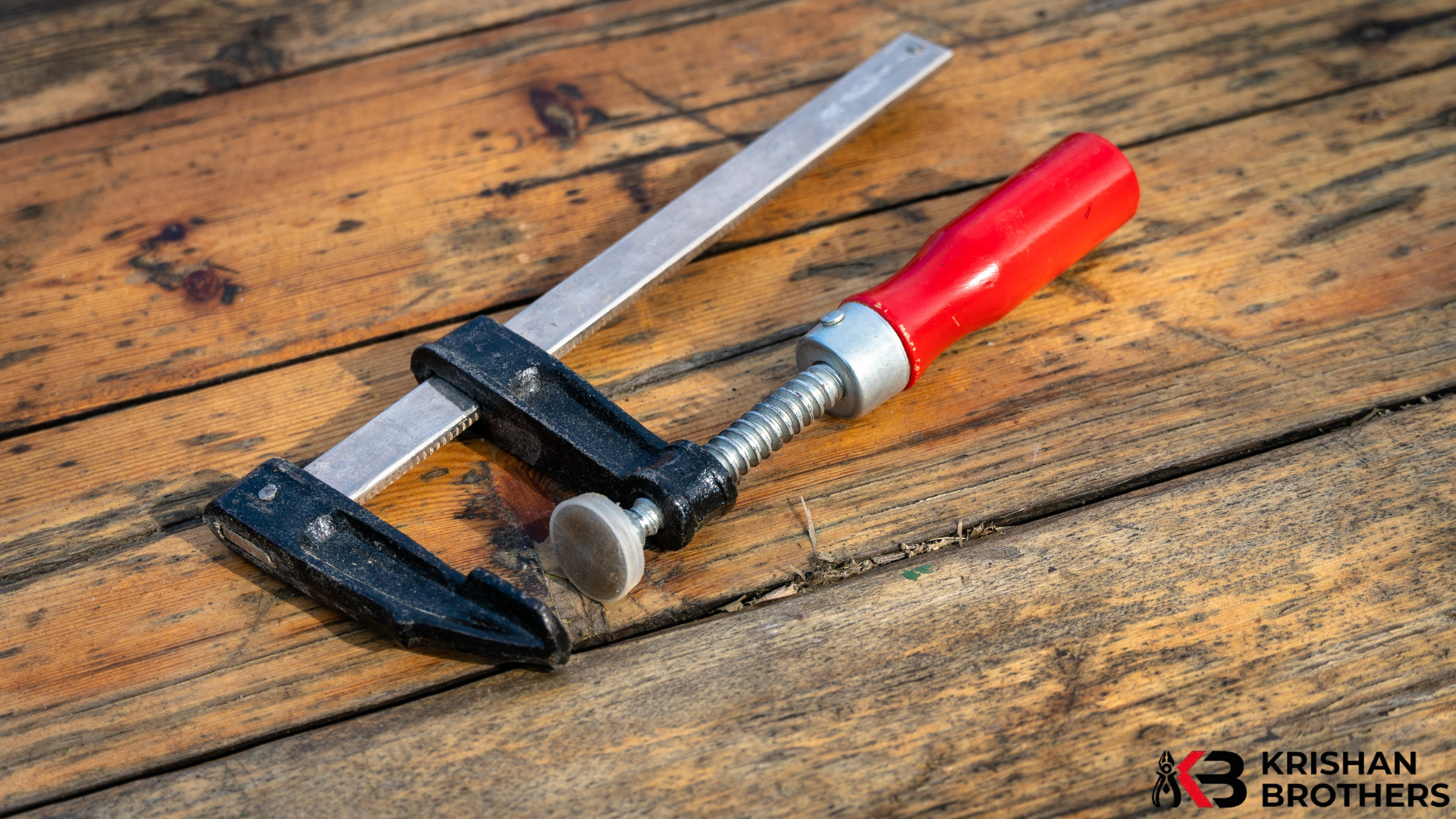
While doing any design — woodworking, metalworking, welding, or indeed DIY— the need for stability and safety can not be overemphasised. Among the tools that help deliver both is the setting tool. They are n’t accessories but rather vital tools that every factory, regardless of size, must have.
In this blog, we will anatomise what setting tools are, the colourful types available, their primary uses and benefits, how to select the right one, and why no factory should be without them. Let’s get started.
What are setting tools?
Clamping tools are mechanical instruments that grip objects in position during work. It could be for slicing, drilling, welding, grinding, clinging, or any other process where the workpiece must remain stationary and stable.
They serve like a third hand that allows the workers to carry out tasks more effectively and securely. With the workpiece clamped in place, setting tools avoid slippage, movement, or misalignment, which may otherwise beget miscalculations or accidents.
Why setting Tools Are Essential to Every Factory
Whether you’re a layperson DIYer or a professional handworker, the advantages of setting tools apply to everyone. That’s why they can not be avoided
1. Delicacy and Precision
Clamps keep your work in place and help it from moving while witnessing a process. This is especially pivotal while cutting finer details, working on a joint, or drilling holes at specific points.
2. Safety
Loose accoutrements tend to slip and hurt or damage expensive tools. Clamps exclude pitfalls by keeping everything in place.
3. Effectiveness
Working with both hands available is easier and quicker. With setting tools, you can multitask or use both hands for procedures similar to sawing or unsticking.
4. Versatility
Clamps are available in multitudinous shapes and sizes for colourful accoutrements and systems of wood, essence, plastic, and so on. This makes them a handy addition to any tool collection.
Types of setting Tools and Uses
There are multitudinous types of setting tools, each for particular uses. Then there are the most typical bones you should familiarize yourself with
1. C-Clamps (G-Clamps)
Use a general-purpose woodworking or metalworking setting.
C-clamps are a C-frame with a screw that fastens down onto the workpiece. They are sturdy and perfect for gripping thick material to hold it in position.
2. Bar Clamps
Use it to hold big or wide pieces of work together.
Bar clamps consist of a long piece of essence bar with malleable arms. They are perfect for clinging to large pieces of wood or frames in woodwork.
3. Pipe Clamps
Use Same use as bar clamps but malleable length.
They gauge larger openings for use in cabinet construction and cabinetry.
4. Spring Clamps
Spring setting for light-duty work.
These look like clothespins and are simple to operate. They apply indeed pressure and are excellent for holding thin material temporarily.
5. Toggle Clamps
Repeated workpiece holding for wiles and institutions.
Frequently used in manufacturing or assembly lines, these offer strong holding power and fast action for repetitious tasks.
6. Clamps
Use the flexible and malleable setting.
F-clamps are analogous to bar clamps but are further featherlight and easier to handle for mid-sized tasks.
7. Corner Clamps
Use joining two pieces at 90-degree angles.
Perfect for box or frame timber, corner clamps ensure right angles during bonding or welding.
8. Hot-Grip Clamps
Use the presto setting with one hand.
They grease rapid-fire tightening and loosening, making them accessible for single drivers or on-the-cover adaptations.
Top Uses of setting Tools
Clamping tools are applied in multitudinous diligence. Some typical uses include
1. Woodworking
Clamping boards while sawing or drilling
Fixing joints while clinging
Abetting cabinetwork and cabinetry assembly
2. Metalworking
Clamping essence wastes when welding
Fixing factors in place while drilling
Abetting accurate alignment for fabrication
3. DIY & Repairs
Repairing broken corridor in place as tenacious sets
Keeping objects against walls to deform
Supporting temporary institutions
4. Product
Institutions on assembly lines
Positioning in CNC and robotic arms
repetitious operations with toggle clamps
Accoutrements Used in setting Tools
Clamping tools are constructed from different accoutrements grounded on their operation
sword—strong and high-strength, ideal for heavy-duty operations.
Aluminium—light but robust; ideal for medium-duty operations.
Plastic & Nylon—set up in spring clamps for sensitive and featherlight accoutrements .
Rubber Pads—Added to avoid damage to shells or slipping.
Choosing the Correct Clamping Tool
The following are important effects to look out for when choosing a setting tool:
1. Purpose
Question yourself What am I using the clamp for? Heavy welding or light clinging? Make your choice consequently.
2. Setting Capacity
Make sure the reach (jaw range) of the clamp is large enough for your accoutrements .
3. Holding Power
Corroborate the setting force of the necklace to make sure it satisfies your strength conditions.
4. Material
Choose a clamp with strong material applicable for your work terrain — particularly if it involves heat, pressure, or erosion.
5. Ease of Use
Opt for easy-to-use types similar to quick-release or one-hand clamps for quick jobs.
Top Brands for Clamping Tools
Some estimable names that are popular for good setting tools are
Bessey—famed encyclopaedically for delicacy and strength in setting results.
Irwin Tools—famous for quick-grip clamps and home-proprietor tools.
Jorgensen provides classic clamps with contemporary aesthetics .
Pony—Suitable for affordable but effective clamps.
DeWalt—High-performance clamps ideal for heavy-duty work.
Tips for Maintaining Clamping Tools
Clamping tools, as with any tool, must be watched for. Below are some tips
Clean After operation Get rid of dust, cement, or essence slices to avoid wear and tear.
oil painting Screws and vestments are oiled regularly to maintain smooth movement.
Check for Damage Cracks, bends, or worn vestments can vitiate holding power.
Store duly Hang them or store them in toolboxes to help with humidity and rust.
Benefits of Having a Variety of Clamps
Having several types of clamps in your factory is a game-changer. That is why
Flexibility You can attack a wide range of tasks, from woodworking to essence fabrication.
Speedy, colourful clamps are applicable for colourful tasks and enable hasty, more effective work.
Professional Finish Clamps give clean joints, accurate placements, and astretch homestretches.
Conclusion Do not Underrate the Power of a Clamp
Though a setting tool might not feel complicated, its influence on perfection, protection, and effectiveness is enormous. Whether you’re a professional handicrafter or a weekend DIY sucker, you can not live without clamps.
Each factory — large or small, menage or artificial — requires a quality set of setting tools. They are not tools; they are results. From woodworking to welding, repairs to making effects, setting tools enable you to do it better, faster, and safer.
So, if you are setting up your factory or simply want to expand your tool collection, begin with clamps. You will know no way how you managed without them.
constantly Asked Questions (FAQs)
What is the difference between a bar clamp and a pipe clamp?
A bar clamp is a fixed length, whereas a pipe clamp employs a piece of pipe for malleable, extended reach — perfect for big systems.
Can I use setting tools for plastic accoutrements ?
Yes! Simply use clamps with rubber padding or soft jaws to help scratch the face.
How many types of clamps should an introductory factory have?
No fewer than 3–4 general types—C-clamp, bar clamp, spring clamp, and hot-grip clamp—serve for most general operations.


Krishan Brothers
